
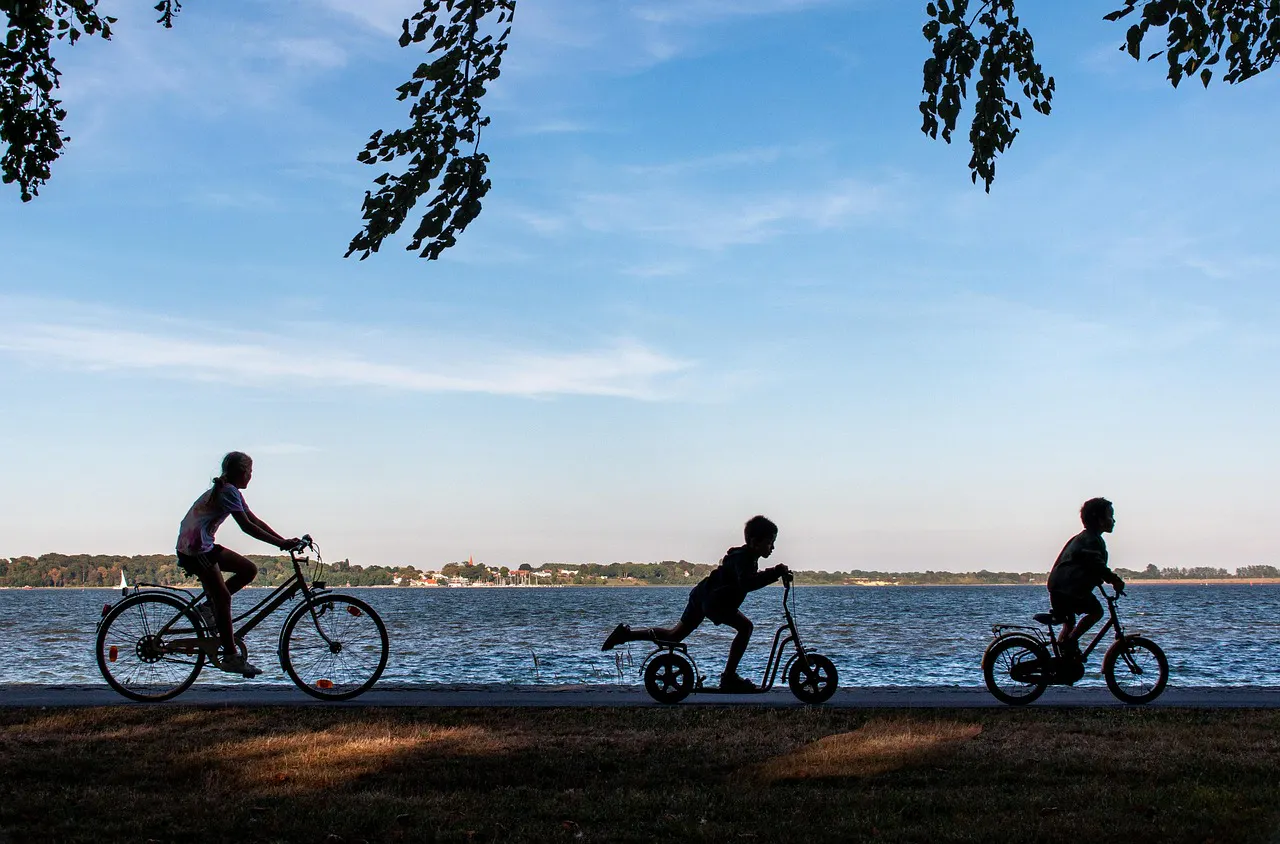
Summer naturally brings more opportunities to move, whether that means walks on the beach, gardening, hiking, pickleball, biking, runs or simply spending more time outdoors. Longer days and warmer weather often make it easier and more enjoyable to stay active.
As a physical therapist, I love seeing people become more active this time of year. Movement has amazing benefits for strength, mobility, energy levels, and overall health. But every summer I also see a common pattern: people doing too much, too quickly, after months of being less active.
Ease Into Activity:
Your body adapts to what you do consistently. If you were less active over the winter and spring, jumping straight back into long walks, weekend sports, or days of heavy yard work can overload muscles, tendons and joints that might not be ready for that type of activity.
A gradual approach helps your body build tolerance and reduces the likelihood of overuse injuries.
Try these simple strategies:
- Increase activity gradually over time (duration, intensity, or frequency but not all at once)
- Alternate active days with lighter recovery days
- Break longer activities into smaller sessions
- Give yourself permission to stop before fatigue significantly changes your form or movement quality
Don’t Skip the Warm-Up:
Warm weather doesn’t replace warming up.
A proper warm-up prepares your muscles, joints, and cardiovascular system for movement and can help improve performance while making activity feel easier.
Before activity:
- Walk for 5–10 minutes at an easy pace
- Add a few dynamic movements (arm circles, leg swings, marching in place, butt kicks)
- Gradually build intensity rather than starting at full speed
Think of a warm-up as giving your body time to transition into movement instead of asking it to go from zero to one hundred.
Listen to Your Body:
Some soreness after activity is completely normal, especially if you’re returning to exercise or trying something new. This is often delayed onset muscle soreness (DOMS) and commonly appears within 24–48 hours after activity.
Mild soreness is okay and should gradually improve within a day or two.
If soreness lingers beyond that or seems to increase instead of improve, it may be a sign that your body needs more recovery or that the activity level was too much, too soon.
What’s Not Normal?
Pay attention if you notice:
- Persistent stiffness that doesn’t improve with movement
- Swelling
- Sharp or localized pain
- Pain that changes the way you walk or move
- Symptoms lasting more than a few days
- Difficulty returning to normal daily activities
These signs may indicate that your body needs more recovery or that it’s worth getting evaluated by a PT or doctor before the issue becomes more limiting.
When Should You See a Physical Therapist?
Many people wait until pain becomes severe before seeking help but early intervention can often prevent a small issue from becoming a bigger setback.
Consider seeing a physical therapist if:
- Pain is limiting activities you normally enjoy
- Symptoms persist despite rest and modifying activity
- You keep experiencing the same aches or injuries each time you become active
Physical therapy isn’t only for recovering after injury, it can also help identify movement limitations, improve strength and mobility, and create a plan that keeps you active and doing the things you enjoy.
Don’t Forget Recovery:
Recovery is just as important as the activity itself!
Support your body by:
- Staying hydrated
- Getting good sleep
- Fueling your body with what it needs to support your activity level
- Including easy movement or mobility work on recovery days
Small recovery habits often make a big difference in how you feel.
The Takeaway
Summer is a great time to be active but staying injury-free means building up gradually, warming up before activity, and paying attention to recovery. For a great resource on a dynamic warmup including examples, check out our previous blog https://reachyours.com/blog/dynamic-warm-up/. And if pain, stiffness, or movement limitations start getting in the way, addressing them early can help keep you moving instead of sitting on the sidelines. Call 484-841-6154 for an evaluation to see how to move forward pain-free.