
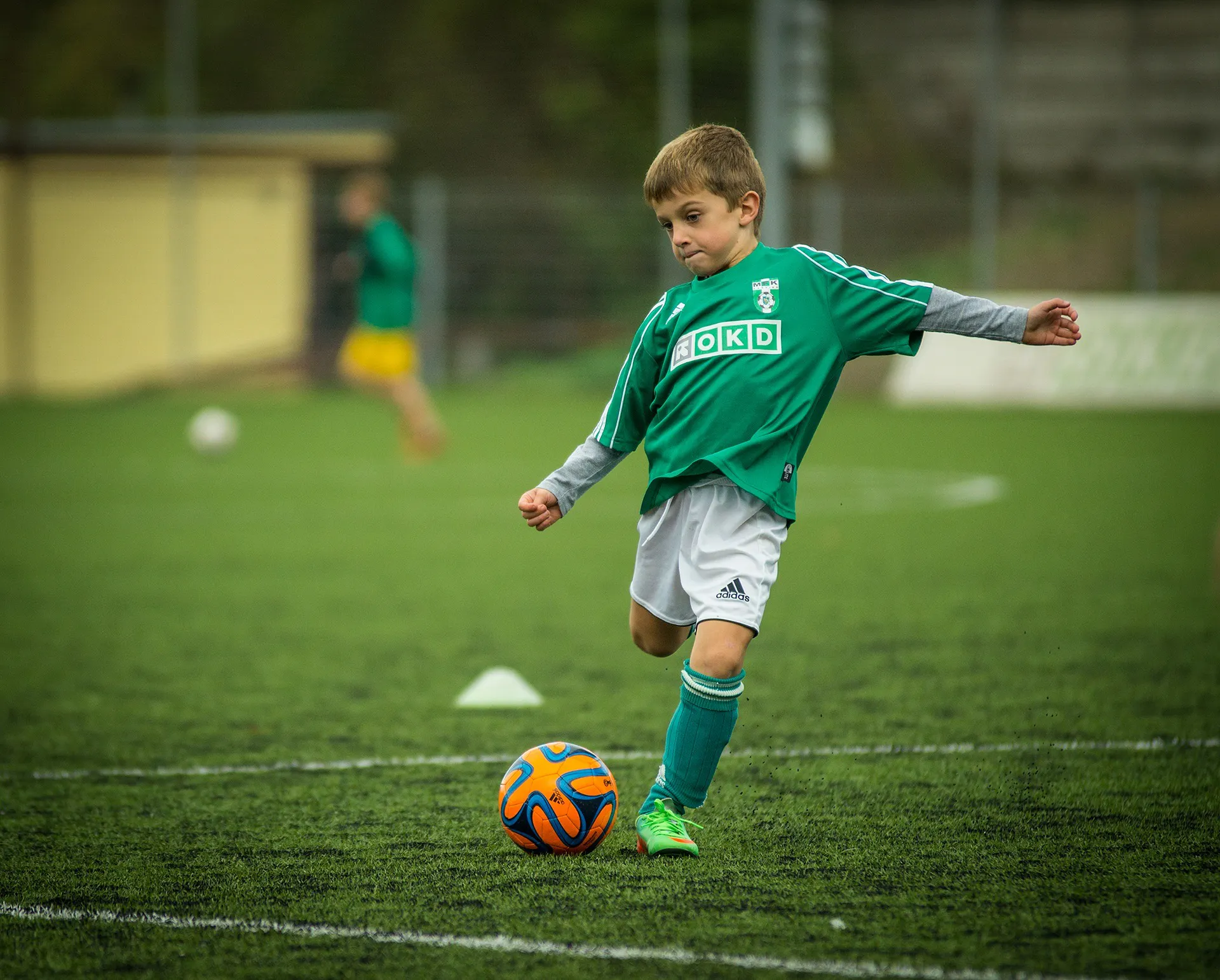
Here is a topic that is near and dear to my heart. As a parent of 3 young children, who are all involved in sports, I am experiencing first hand that overuse injuries are increasingly common in youth sports as young athletes specialize earlier, train more intensely, and often play year-round.
Unlike acute injuries, which happen suddenly, overuse injuries develop gradually from repetitive stress placed on growing bones, muscles, and tendons. Children often do no break bones, tear tendons/ligaments from these types of injuries, but often do damage and cause injury to their growth plates, which can be very painful. Children also are not the best at reporting pain or symptoms as good as adults do- which can make diagnosis difficult. In physical therapy, we frequently treat conditions like Little League arm, Osgood-Schlatter disease, and Sever’s disease—each tied closely to growth and activity patterns in children and adolescents.
Little League Arm
Little League arm refers to a spectrum of elbow injuries caused by repetitive throwing, most commonly seen in young baseball pitchers. The stress of repeated overhead motion places strain on the growth plate on the inner side of the elbow. Over time, this can lead to inflammation, pain, and even structural changes if not addressed.
Athletes with Little League arm typically report elbow pain during or after throwing, decreased throwing velocity, or loss of control. Injuries such as this, often occur from poor throwing mechanics (elbow dropping lower than ear level, minimal involvement from the lower body and decreased shoulder strength to raise the arm higher than ear level). A lot of times, young overhead athletes and their parents feel pressure to play on more than one team to “keep up”. This recipe often leads to injuries that requires months of rest and an inability to play. In physical therapy, treatment begins with rest (longer than you would think) from throwing to allow healing. From there, we focus on restoring range of motion, improving shoulder and elbow strength, and addressing mechanics with a gradual return to throwing program to re-introduce stress to the arm. Proper throwing technique, pitch count education, and gradual return-to-throwing programs are critical components of recovery and prevention.
Osgood-Schlatter Disease
Osgood-Schlatter disease is a common cause of knee pain in growing adolescents, especially those involved in running and jumping sports like soccer or basketball. It occurs when the patellar tendon repeatedly pulls on the growth plate at the top of the shinbone (tibia), leading to inflammation and tenderness just below the knee.
Patients often present with localized pain, swelling, and a noticeable bump at the tibial tubercle. Symptoms tend to worsen with activity and improve with rest. Physical therapy focuses on reducing strain through flexibility exercises—particularly for the quadriceps and hamstrings—along with strengthening the surrounding muscles to improve knee stability. Activity modification, proper warm-ups, and education on load management play a key role in long-term symptom control.
Sever’s Disease
Sever’s disease, or calcaneal apophysitis, is one of the most common causes of heel pain in active children. It results from repetitive stress on the growth plate in the heel, often exacerbated by running, jumping, and tight calf muscles.
Children with Sever’s disease typically complain of heel pain during or after activity, sometimes accompanied by limping or toe-walking. In physical therapy, treatment centers on reducing irritation to the heel through activity modification and supportive footwear. Stretching the calf muscles and Achilles tendon is essential, along with strengthening exercises for the lower leg and foot. In some cases, heel cups or orthotics may be recommended to reduce strain.
The Role of Physical Therapy
Across all three conditions, physical therapy plays a crucial role not only in recovery but also in prevention. Because these injuries are closely tied to growth and repetitive stress, education is just as important as treatment. Teaching young athletes, parents, and coaches about proper training loads, rest periods (often eye opening for parents), and biomechanics can significantly reduce the risk of recurrence.
When I am treating a young person for any of these injuries, I am spending a lot of time speaking with the child, as well as the parent about the importance of rest. I often hear from parents or caregivers that “youth sports is not the same as when I was a kid; we would play for one team during the season and then move onto another sport the next season.” Somewhere in the last 2 decades, youth sports changed and now families are feeling the pressure to specialize in a particular sport at younger ages. The big problem that gets in the way with this: MUSCULOSKELETAL DEVELOPMENT. This has not changed, and children go through growth spurts during this same time – which when mixed with overuse, often leads to injury to this developing tissue.
Ultimately, the goal is to help young athletes stay active and healthy while respecting the limits of their developing bodies. The chances of our children signing professional contracts when they are in their pre-adolescent years is likely 0%. Involvement in youth sports promotes self confidence, builds social bonds with peers, and promotes physical exercise. Early recognition and appropriate intervention can make a significant difference in short-term recovery, long-term athletic development, and help get your child back on the field and off their iPad.
Is your child suffering from an overuse injury? Check out our Athlete Program for professional guidance.